What each part of the prompt does
- Markings that matter
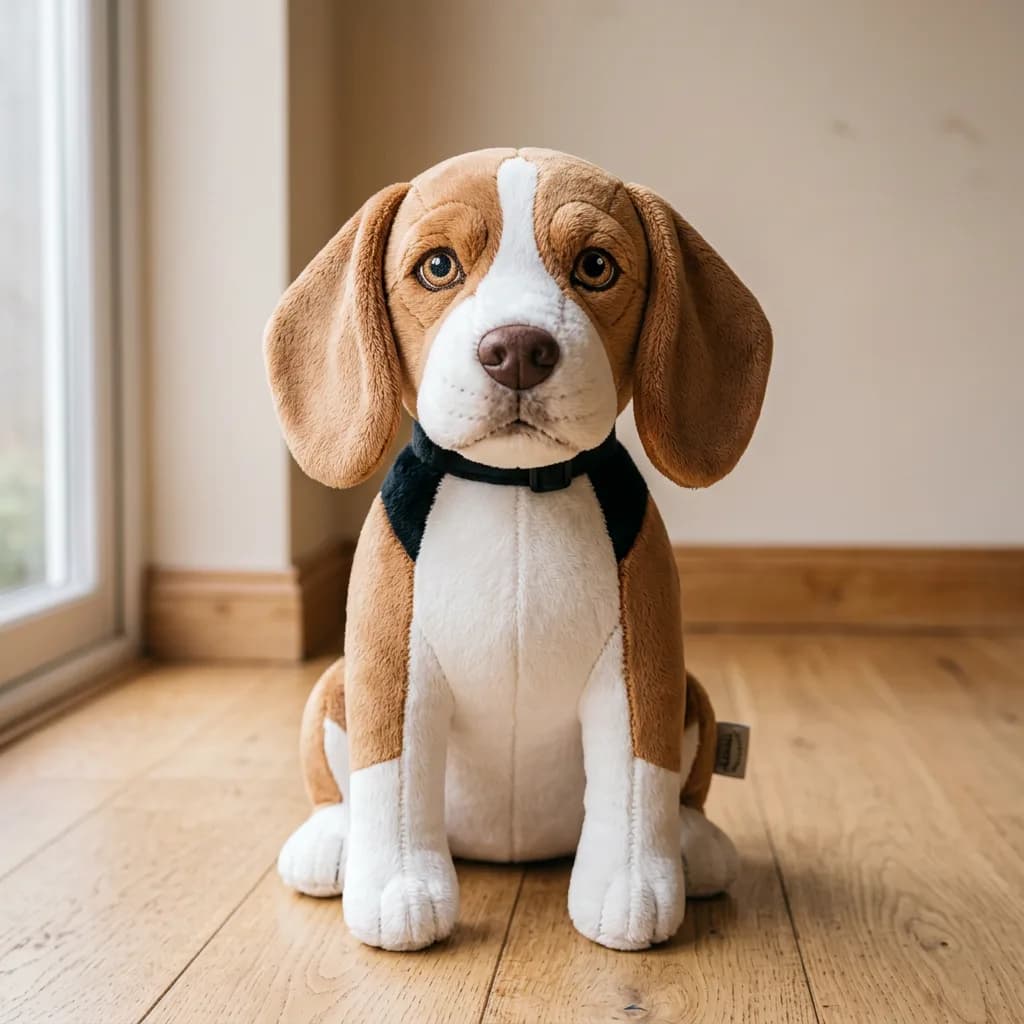
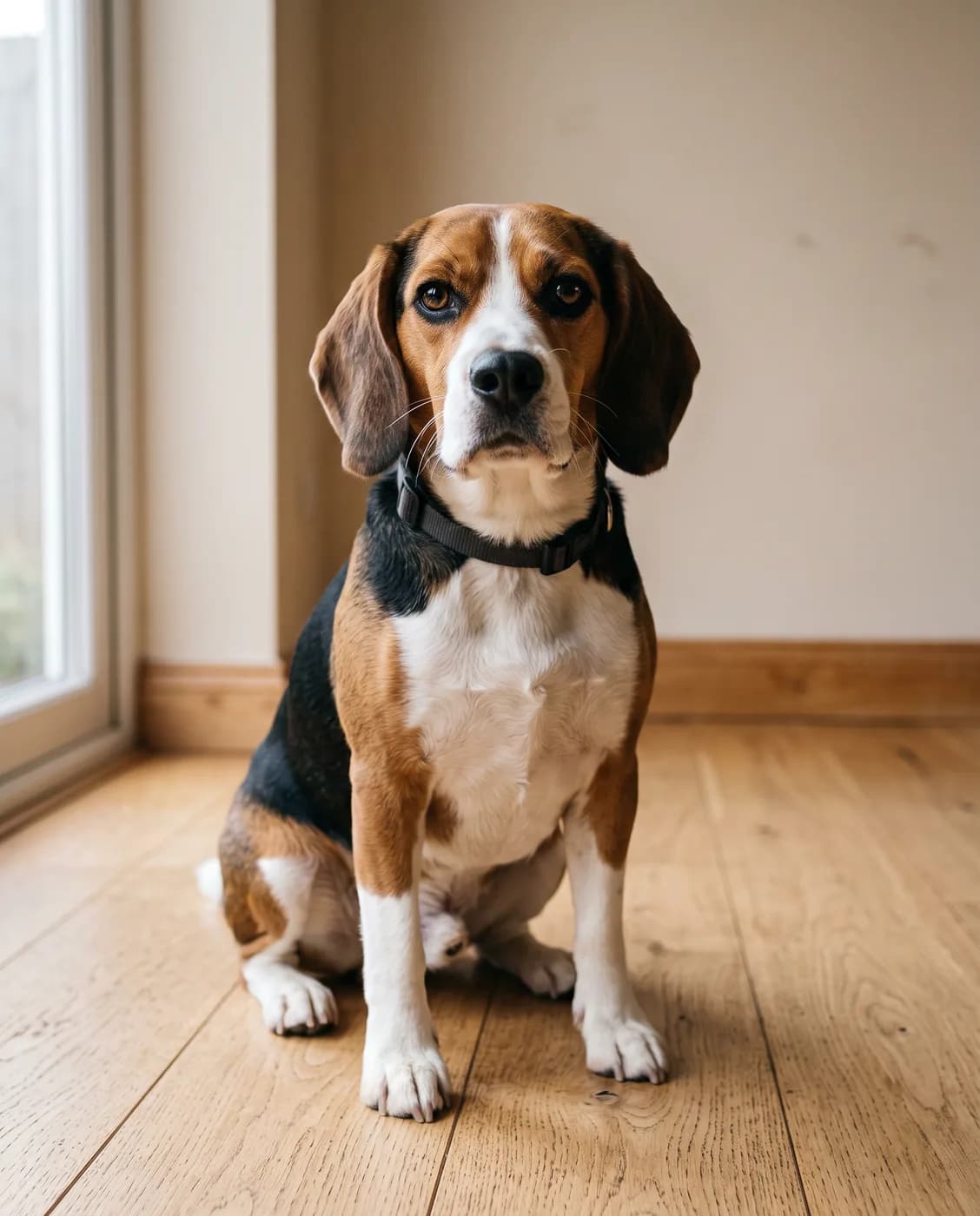
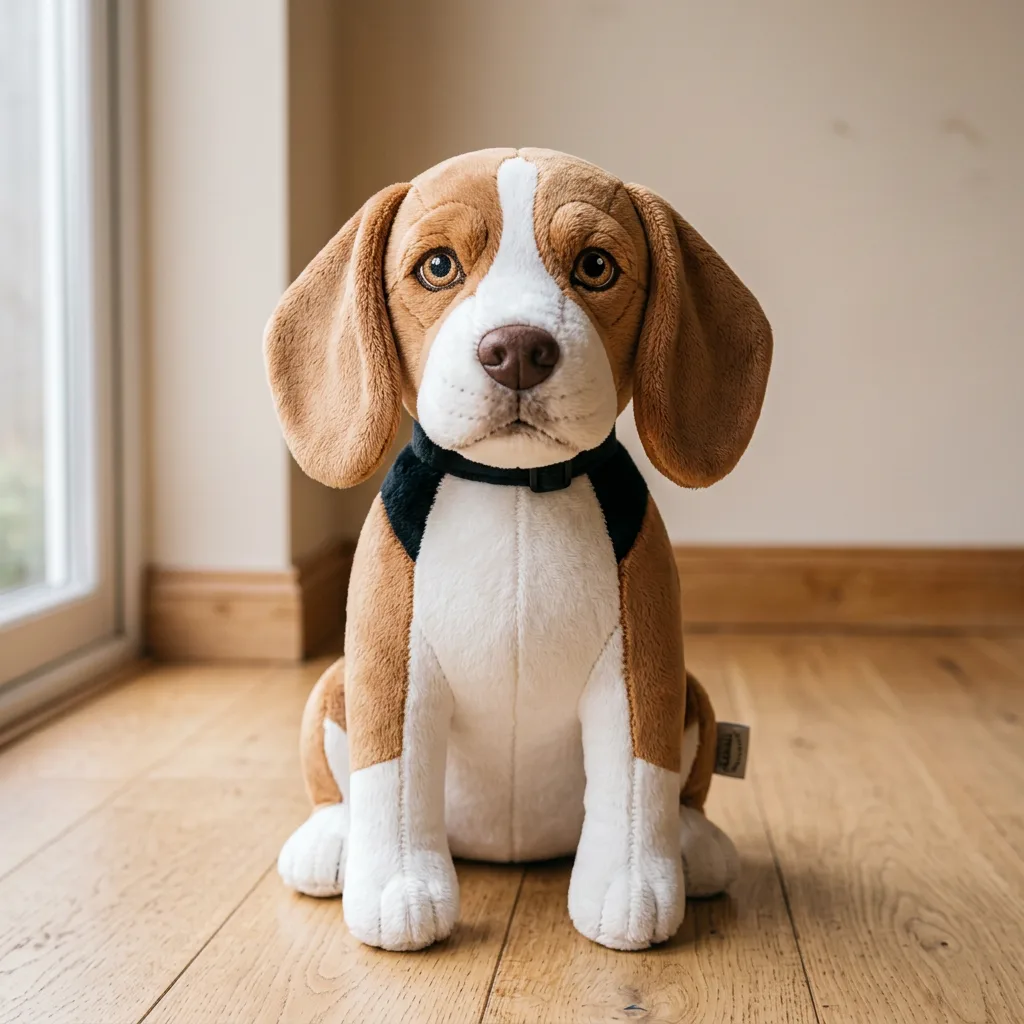
- The prompt lists coat pattern, blaze, ears and eye colour. Replace them with your own pet's details, such as "black patch over the left eye" or "one white paw", because those marks are what make the toy feel like yours.
- Toy materials
- Fuzzy fabric, stitched seams, embroidered eyes and a fabric tag are the details that read as a real plush. Without them the model tends to make a furry 3D render instead.
- Squashy shape
- "Slightly squashy rounded shape" softens the anatomy into toy proportions, with a bigger head and short legs, while keeping the animal recognisable.
- Product photo setting
- Daylight, gentle shadows and shallow depth of field make it look like a photo of a real object, which is more charming than a toy floating on plain white.
Variations to try
Same idea, one thing changed. These have no example image yet.
On a toy shop shelf Turn the pet in my uploaded photo into a soft plush toy. Keep its recognisable markings and colours: the same coat pattern, the ear shape and the eye colour. Make it from short, fuzzy fabric with visible stitched seams, embroidered eyes and nose, a slightly squashy rounded shape and a small fabric tag on one side. The plush sits on a wooden toy shop shelf between other soft toys, with a small price tag tied to its paw. Realistic product photography with soft daylight, gentle shadows and shallow depth of field, square 1:1 frame.
Next to the real pet Turn the pet in my uploaded photo into a soft plush toy. Keep its recognisable markings and colours: the same coat pattern, the ear shape and the eye colour. Make it from short, fuzzy fabric with visible stitched seams, embroidered eyes and nose, a slightly squashy rounded shape and a small fabric tag on one side. The plush sits on a sofa right next to the real pet from the photo, who looks at it curiously. Realistic product photography with soft daylight, gentle shadows and shallow depth of field, square 1:1 frame.
Your logo as a plush Turn the logo in my uploaded photo into a soft plush toy. Keep its recognisable markings and colours: the same shape and the same brand colours. Make it from short, fuzzy fabric with visible stitched seams, embroidered eyes and nose, a slightly squashy rounded shape and a small fabric tag on one side. The plush stands upright on a plain light grey background. Realistic product photography with soft daylight, gentle shadows and shallow depth of field, square 1:1 frame.
If the result isn't right
- If the result looks like a real animal, add "clearly a toy: fabric texture, seams and embroidered eyes".
- When markings move, describe them by side: "brown patch on the right ear, white chest".
- Short-haired pets come out best with "short velvety fabric"; fluffy breeds with "long soft faux fur".
- For a cat or rabbit the same prompt works; the subject line already says pet.