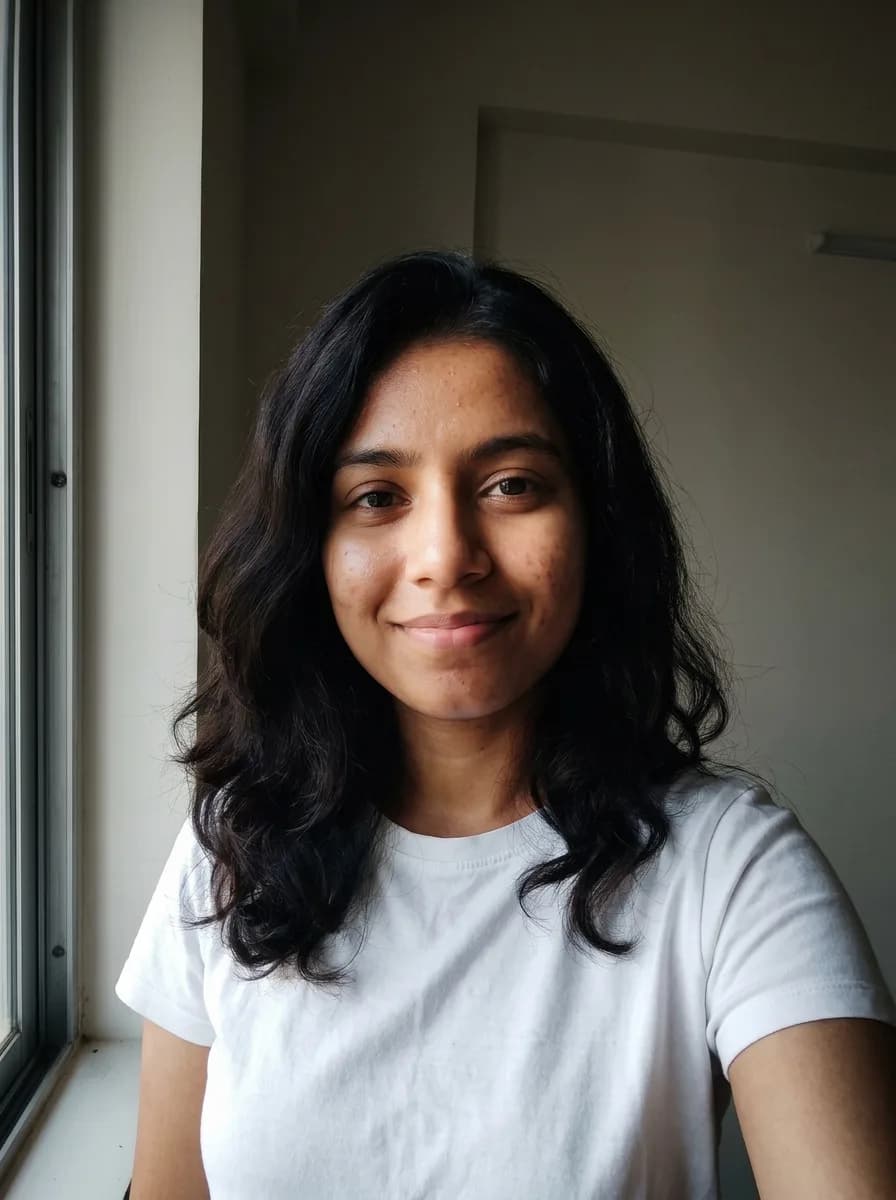
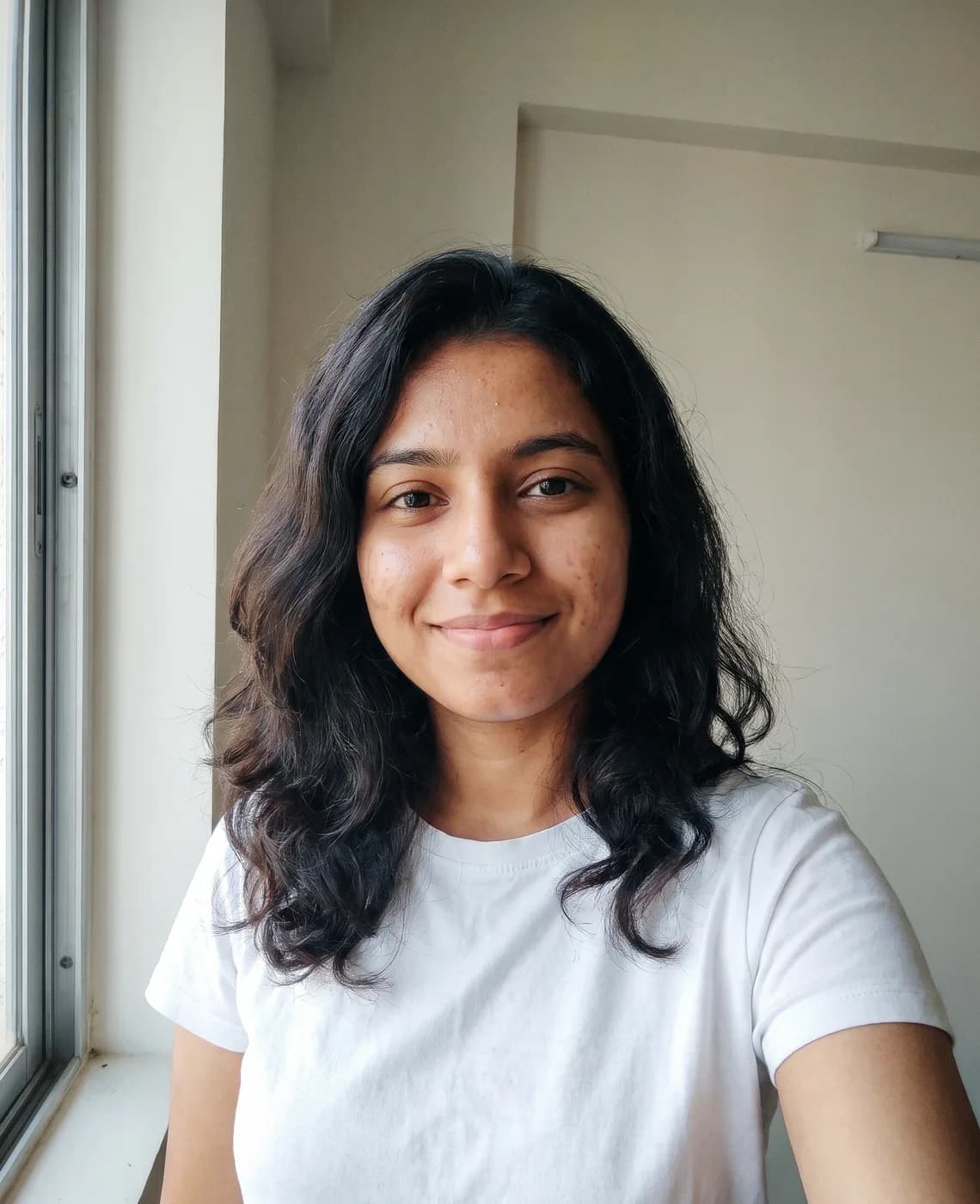
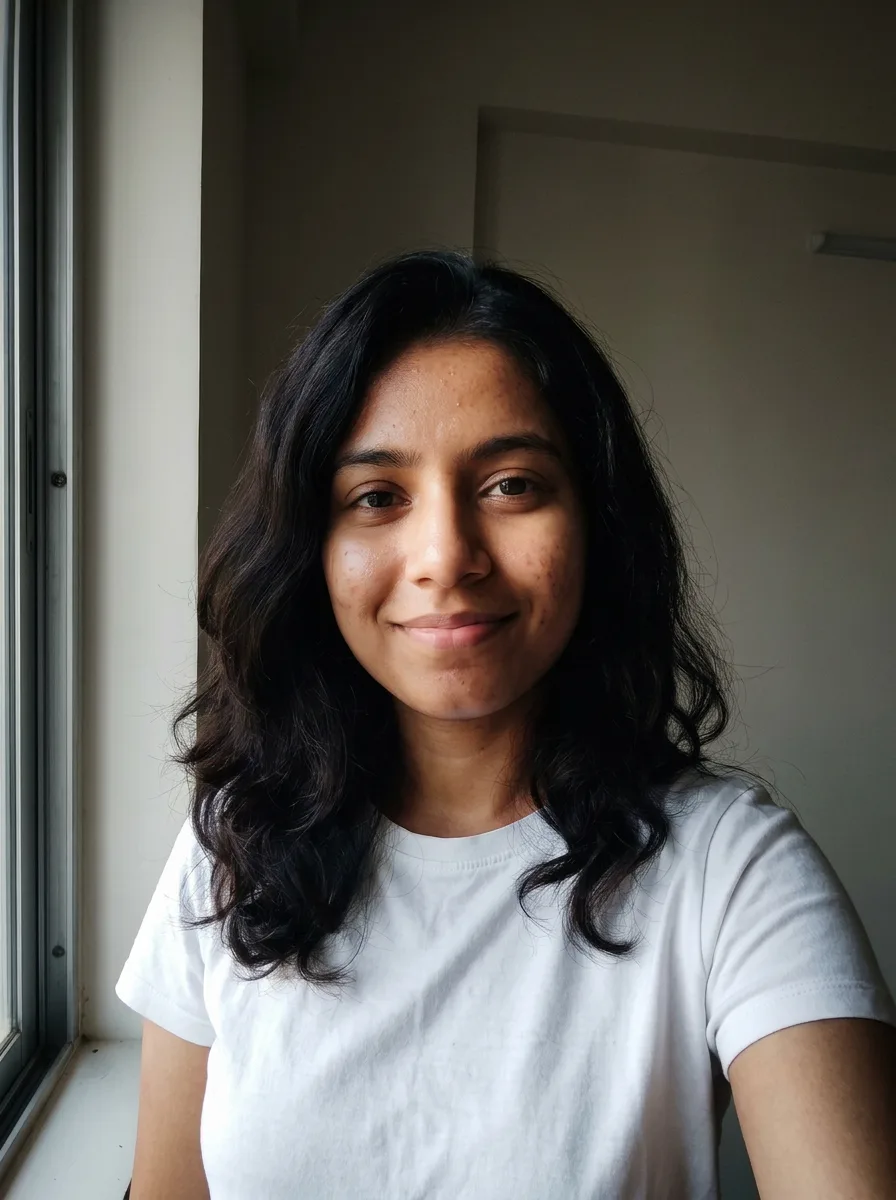
What each part of the prompt does
- A named setup
- "Rembrandt lighting" is a term with a precise meaning: a high side light and a small lit triangle on the shadowed cheek. Naming it gives the model a whole recipe in two words, and the sentence after it spells the recipe out in case the name alone is read loosely.
- Light position in degrees
- "High and about 45 degrees to the left" places the lamp the way a photographer would describe it on set. Direction decides which side of the nose casts a shadow, so stating it keeps the result consistent instead of random.
- No fill light
- Saying the shadow side stays dark with nothing filling it in protects the contrast that makes the setup recognisable. Without that line, the model tends to brighten everything back to the flat look you started with.
- Only the light changes
- The list of what stays (face, expression, hair, clothes, pose, background) keeps this an edit of your photo rather than a new portrait of someone similar. The note on soft-edged shadows stops them from looking drawn on.
Variations to try
Same idea, one thing changed. These have no example image yet.
Butterfly lighting Relight my uploaded portrait with butterfly lighting. Keep the person, face, expression, hair, clothes, pose and background exactly the same; change only the light falling on them. One soft key light sits directly in front of the face and above it, casting a small, even shadow under the nose and a soft shadow under the chin. Both cheeks are lit evenly, with gentle shading along the cheekbones. Keep real skin texture and natural colour, and keep the shadows soft-edged rather than painted on. Same framing as the original.
Split lighting Relight my uploaded portrait with split lighting. Keep the person, face, expression, hair, clothes, pose and background exactly the same; change only the light falling on them. One light sits exactly to the left at face height, so the left half of the face is bright and the right half falls into deep shadow, divided along the line of the nose. Keep real skin texture and natural colour, and keep the shadows soft-edged rather than painted on. Same framing as the original.
Low-key with rim light Relight my uploaded portrait with low-key lighting with a rim light. Keep the person, face, expression, hair, clothes, pose and background exactly the same; change only the light falling on them. A dim, soft key light from the front left keeps the face mostly in shadow, while a narrow light from behind draws a thin bright edge along the hair and one shoulder. The overall image is dark and moody. Keep real skin texture and natural colour, and keep the shadows soft-edged rather than painted on. Same framing as the original.
If the result isn't right
- If the background gets darker or changes colour too, add "the room and its light stay as they were; only the light on the person changes".
- When the triangle of light under the eye is missing, ask for "a small lit triangle on the shadow-side cheek, under the eye".
- Glasses can pick up new reflections; say "no new reflections in the glasses" if they appear.
- If skin turns plastic in the deep shadows, add "keep pores and fine texture visible in the shadow areas".